Tilly
A Sunday AI letter for people who play the lottery
Written by Wren OkaforRun your lottery play the way a tidy shop runs its till
Every Sunday I send one deep-dive on a single AI task for the side of the lottery nobody films: the budget, the slips, the syndicate sheet, the rule booklet. The app keeps every past issue on shelves, plus short tips you can read in the queue at the counter.
New issue every Sunday eveningLibrary
Reading a rule sheet with an assistant
Issue 41, 12 min read
Why I keep a till for the lottery
I have played the same lines for years, and draw evening still gets me. The slip on the fridge, the kettle on, and the quiet what-if: the mortgage cleared, the card balances gone, a letter of notice handed in, a small place of my own by the water, a long trip with no fixed return, my mum never opening a bill with worry again. That dream is mine, and I keep it.
By day I run a small print shop. Over two years, AI assistants quietly took over my paperwork there: invoices, stock sheets, reading supplier terms. One Sunday I realised my lottery spending had no paperwork at all. No cap, no log, a syndicate kept on the back of an envelope.
Tilly is me writing down, one task a week, how I use the same tools on that side of the game. It does not touch the draw. It is about the records, the reading and the money you choose to put in.
Wren
The library, shelf by shelf
Everything inside the app is one of three things: the Sunday deep-dive, the archive behind it, and quick tips between issues. Here is how the shelves are laid out.

Sunday deep-dives
The latest issues. Each one takes a single task from start to finish.
Reading a rule sheet with an assistant
Issue 41, 12 min read
A monthly spending cap, written as a formula
Issue 40, 10 min read
A syndicate sheet everyone can audit
Issue 39, 14 min read
Checking a lottery ad, sentence by sentence
Issue 38, 9 min read
The archive, by collection
Every past issue, filed by the job it does.
Budgets and logs
Spreadsheets, receipts, the monthly review
Pools and syndicates
Shares, payments, written agreements
Rules and published odds
What each game states, read in plain words
Prompt cards
Copy-ready prompts from every issue
Assistant basics
Choosing a tool, privacy, checking answers
Quick tips for the queue
Short notes that land in the app between Sundays.
The what-if shelf
Calm essays for the daydream: what you would want sorted first if a large win ever came, and which questions to take to a professional.

Debts, work, a home: the order people think about them
Essay, 11 min read
Lump sum or annuity, the terms explained
Essay, 8 min read
Staying private: what to check in your game's rules
Essay, 7 min read
Three ways to subscribe
Each row shows the cost per day in large type. The amount billed today is the small figure under it.
Intro price on the first termThis intro price is held for 10:00 more.
Today you pay only the total under the row you choose: $4.19, $11.99 or $21.99, which covers the first term. When that term ends, the same plan renews by itself for the same length at the regular rate of $6.99 per month, $20.97 per 3 months or $41.94 per 6 months, and keeps renewing until you cancel. You can switch renewal off before the next charge in the app's account screen or by contacting us — [email protected]
The closing-till method, in order
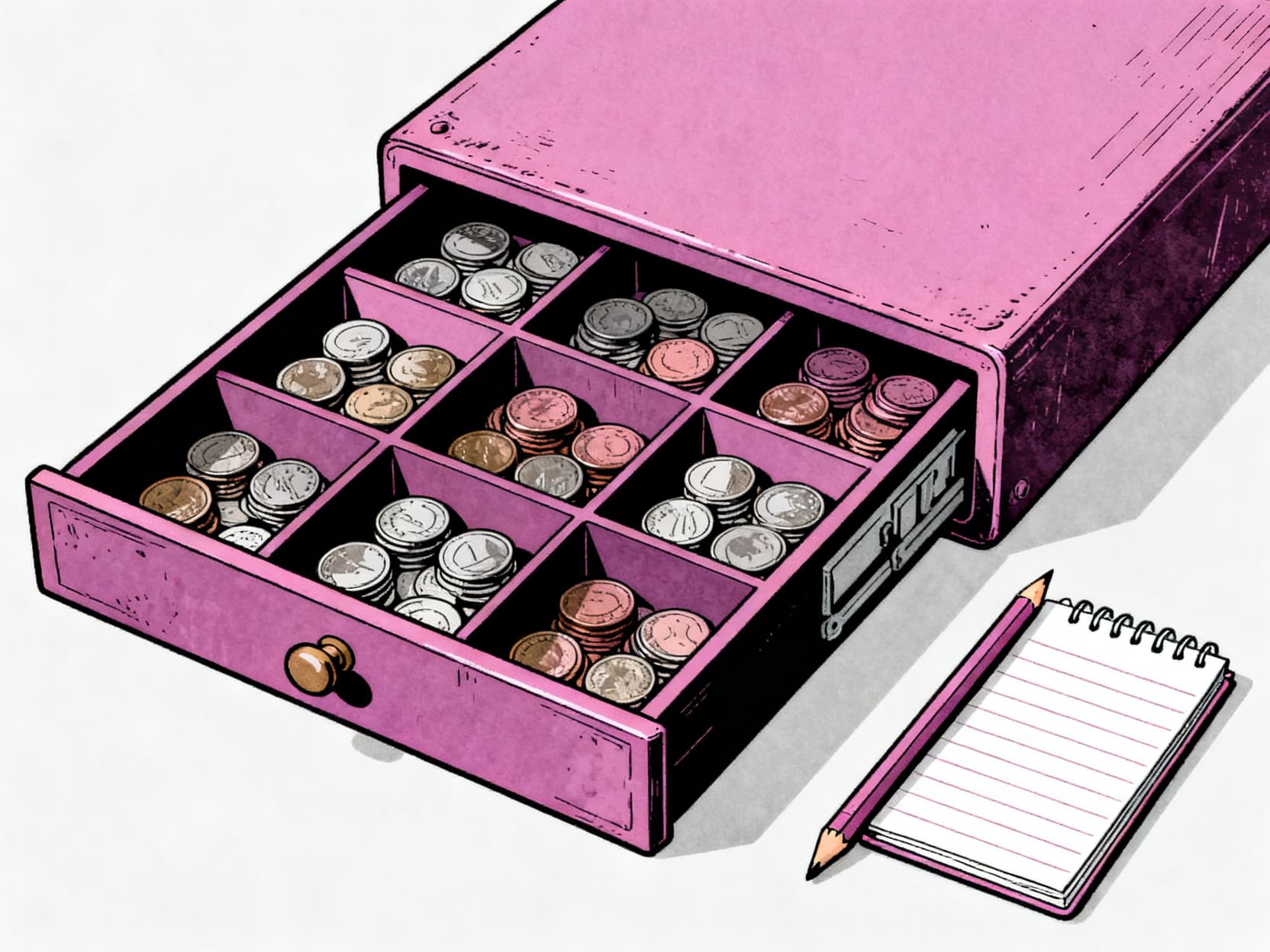
A shop closes its till in the same order every evening, so the numbers always mean the same thing. I borrowed that order for the lottery. Every Sunday issue belongs to one of these steps, and the archive is filed the same way.
- 1
Set the float
Decide the amount for the month before you buy a single ticket. The assistant turns it into a weekly figure and a one-page sheet.
Why it comes first: every later step is measured against this number.
- 2
Ring each slip in
Log each ticket on the day you buy it: game, date, cost, solo or shared. A prompt card turns a typed line into a clean row in your sheet.
Why on the day: a record written at the counter is one you can trust a month later.
- 3
Read the slip
Before playing a new game, have the assistant lay out its official rule sheet: prize tiers, entry cost, the published odds for each tier. Then check every line against the source.
Why the check: the assistant summarises, the official sheet decides.
- 4
Cash up on Sunday
Compare the week's log with the float and write one plain sentence on the week. The new issue arrives at the same time.
Why weekly: a sheet closed every seven days stays short enough to read.
How the parts fit
The float gives the log something to be measured against. The log gives the Sunday review something to read. The rule sheet keeps every figure tied to its source.
None of it touches the draw itself. The numbers come out of the machine the same way for everyone, and I write about everything around that moment, not the moment.
Read an excerpt of issue 41
Issues land on Sunday evening, after the weekend draws. This is the opening of the latest one, exactly as it appears in the app.

Sunday deep-dive, 12 min read
Ask before you trust: reading a rule sheet with an assistant
Every game publishes a rule sheet. Few people read it, and I understand why: small type, tables, legal wording. It is still the only document that says what your ticket actually buys.
This week, paste the sheet into your assistant and ask it three things. How many numbers sit in each pool. What each prize tier requires. What the published odds are for each tier.
Then check each answer against the sheet yourself, line by line. An assistant can misread a table. The sheet is the source.
One thing to keep in mind: no assistant can tell you which numbers come next. Each draw is independent, and the sheet says so in its own words.
Questions readers send me
The three I answer most often, in my own words.
What arrives each week, and on which devices?
One deep-dive every Sunday evening, in the app and by email. Between issues, short tips appear in the app. Every past issue stays on the shelves for as long as you subscribe. Tilly runs on phone, tablet and web with one login.
Will Tilly tell me which numbers to play?
No. Every draw is random and independent, and no tool, AI included, can see the next one. Tilly is about the budget, the records and the reading around the game. Play only if you are of legal age, for fun, and never with money you need.
What if it turns out not to be for me?
Write to me within 45 days of your first payment and I refund that payment in full. You don't need to explain; one line is enough. Separately, you can switch off renewal in the account screen whenever you like.
Start with the coming Sunday issue
The same three rows as above. The archive and the tips come with every one of them.
Intro price on the first termThis intro price is held for 10:00 more.
Today you pay only the total under the row you choose: $4.19, $11.99 or $21.99, which covers the first term. When that term ends, the same plan renews by itself for the same length at the regular rate of $6.99 per month, $20.97 per 3 months or $41.94 per 6 months, and keeps renewing until you cancel. You can switch renewal off before the next charge in the app's account screen or by contacting us — [email protected]
Lotteries are games of chance. Play at legal age only, for fun, and never with money you need.